How to Respond to an Unfair Performance Review Without Damaging Your Career
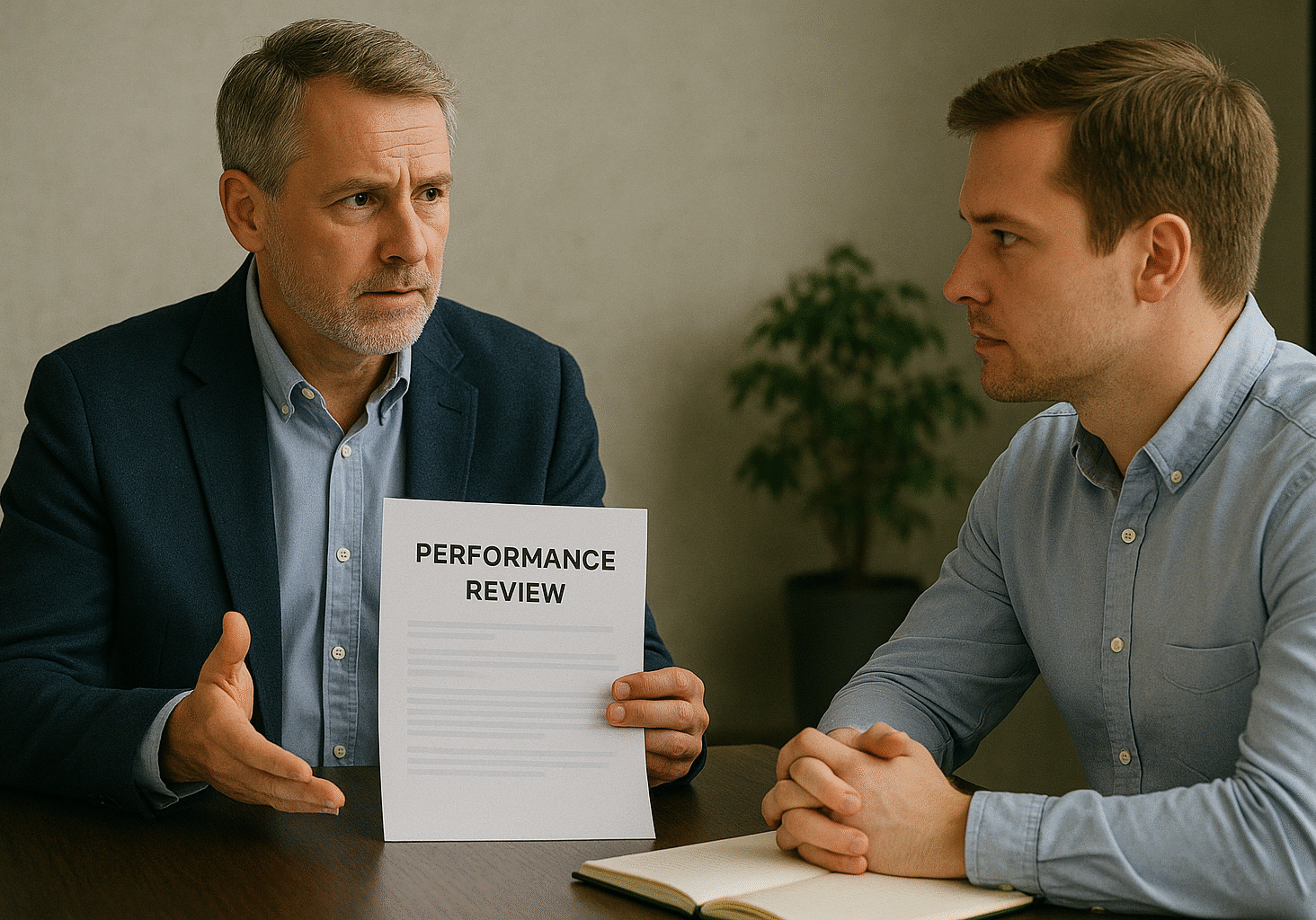
Few professional experiences feel as deflating as receiving a performance review that doesn’t reflect the work you believe you’ve done. Whether it’s rooted in incomplete information, shifting priorities, or a manager’s blind spots, an unfair review can leave even high-performing professionals questioning themselves.
What matters most in these moments is not the review itself, but how you respond. Research published by the Harvard Business Review consistently shows that emotional self-regulation during feedback discussions is a defining trait of respected leaders—especially during difficult feedback conversations.
Here’s how to navigate an unfair performance review with composure, credibility, and long-term career perspective.
1. Pause Before You Respond
The instinct to defend yourself immediately is natural. But reacting emotionally can unintentionally validate criticism you don’t agree with.
According to research from the American Psychological Association, stress significantly impairs judgment, listening, and communication. Taking time to process feedback before responding allows you to separate emotion from facts.
Take notes. Ask clarifying questions. But resist the urge to argue in the moment. A measured response signals maturity and confidence.
2. Clarify Expectations and Measurement
Many reviews feel unfair not because of poor performance, but because expectations were never clearly defined—or quietly changed. A simple question can reframe the discussion:
“Can we review how expectations were set and how performance was measured?”
Guidance from SHRM highlights that misalignment around goals and evaluation criteria is one of the most common reasons employees distrust performance reviews.
This conversation helps uncover whether:
- Goals were communicated clearly
- Priorities shifted mid-cycle
- Visibility into your work was limited
- Definitions of success differed
Clarity often resolves more than conflict.
3. Lead With Evidence, Not Emotion
Your goal is not to prove your manager wrong—it’s to provide context. Prepare specific examples, metrics, outcomes, and timelines. Avoid emotionally charged language such as “unfair” or “inaccurate.”
Instead, try:
“I’d like to walk through a few results and milestones that may not have been fully captured.”
This approach mirrors how strong leaders operate—grounding discussions in evidence rather than assumption or defensiveness.
4. Define What Success Looks Like Going Forward
Regardless of how the review felt, the conversation should end with clarity about the future.
Ask questions like:
- “What does success look like over the next 90 days?”
- “Which metrics will be used to assess progress?”
- “What support or resources are available?”
This shifts the dialogue from justification to alignment and reduces the likelihood of repeat surprises.
5. Assess Whether the Review Reflects Culture, Not Competence
Sometimes an unfair review is less about performance and more about organizational dynamics.
Research from Gallup shows that only a small percentage of employees strongly believe performance reviews improve performance. Often, flawed systems, inexperienced managers, or internal politics undermine the process.
If the review feels like a signal rather than an assessment, it may be worth evaluating whether your long-term growth is best supported where you are.
This is where trusted recruiter relationships can provide objective perspective and optionality.
6. Follow Up in Writing
After the conversation, send a brief, professional follow-up summarizing:
- Your understanding of the feedback
- Any evidence discussed
- Agreed-upon expectations and next steps
This creates alignment, documentation, and professionalism without escalation.
Your Response Is the Real Evaluation
An unfair review can feel personal, but your response reveals leadership maturity. How you navigate uncomfortable feedback often carries more weight than the feedback itself.
One review does not define your career. Your composure does.
Artemis Consultants recruits elite talent for Mid to C-Level positions for emerging and established companies of all sizes. We exist for two reasons. To help companies advance and grow by recruiting highly qualified talent. And to provide people career opportunities that positively impact their lives.