
Posts by Chris Gardner
Degree Regret and the Careers We Never Expected to Love

There is a quiet conversation happening across almost every generation in the workforce right now. Some professionals in their 20s are wondering if they chose the wrong degree. Others in their 30s are questioning whether they should completely change directions. Many people in their 40s, 50s, and 60s look back and realize the career they…
Read MoreHow Confident Leaders Are Built Through Uncertainty

Confidence is often misunderstood in the professional world. Many people assume confident leaders are naturally certain, composed, and fearless. From the outside, successful professionals can appear calm under pressure and comfortable making difficult decisions. What people rarely see are the years of uncertainty that helped create that confidence in the first place. Most confident leaders…
Read MoreMom Taught Us to Be Dependable. Work Took Advantage of It.

Mom taught us to be dependable
Read MoreThe Second Interview Is Where You Win—or Lose—Top Talent

Most companies believe they win top talent at the offer stage. In reality, they either win—or lose—them much earlier. It happens in the second interview. At this stage, many organizations are still focused on evaluation—asking more questions, validating what they’ve already seen. But for strong candidates, the dynamic has already shifted. They’re no longer trying…
Read MoreThe Execution Paradox: Why Your Competence Is Holding You Back

Execution Paradox
Read MoreGaslighting Upward: When Employees Manipulate the Narrative
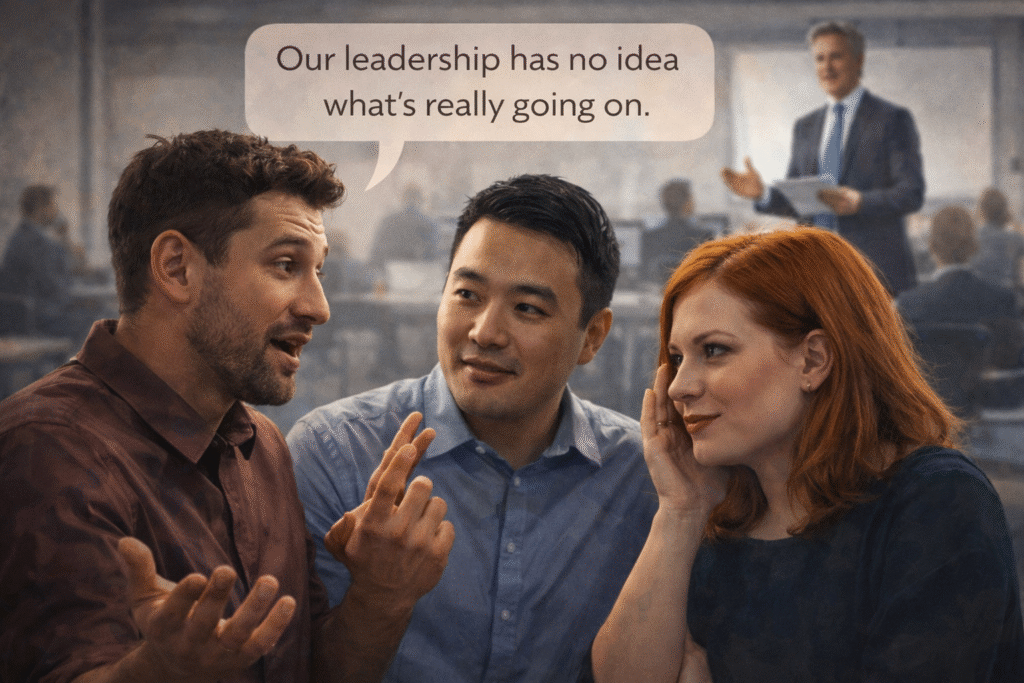
Most leaders have seen a version of this play out. A new policy is introduced. Maybe it’s a change in process, expectations, or reporting structure. The team initially accepts it without much resistance. But one employee begins voicing frustration. At first it happens privately—conversations with colleagues in the hallway, comments during lunch, quiet complaints about…
Read MoreEmotional Restraint: The Career Skill Most Professionals Learn Too Late

Most professionals can point to a moment in their career when they said something they wish they could take back. A tense meeting.A frustrating email.A conversation where emotions got the best of them. In hindsight, the issue usually wasn’t intelligence, preparation, or capability. It was a lack of emotional restraint. Many professionals eventually learn that…
Read MoreRelational Capital: The Most Undervalued Asset on Your Balance Sheet

When markets tighten, leadership teams immediately turn to measurable levers: revenue forecasts, margin compression, pipeline health, cost controls. Those metrics matter. But there is another asset quietly influencing every one of them — relational capital. Relational capital is the accumulated trust, credibility, and goodwill a company earns with its customers, partners, and market over time.…
Read MoreRecruit, Refine, Retain: A Framework for Building Strong Organizations
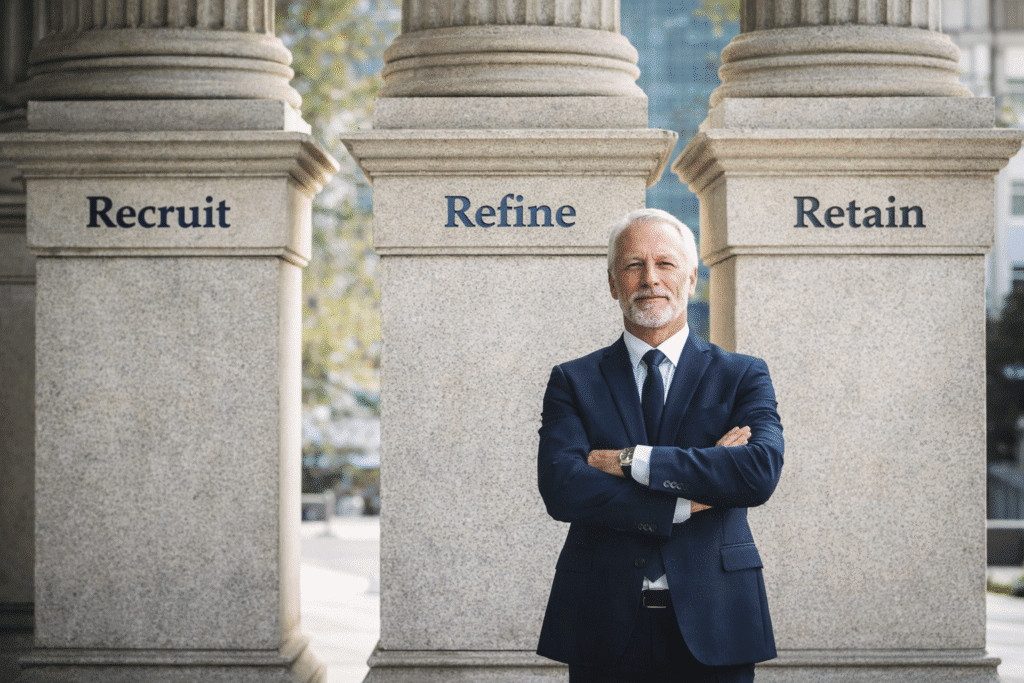
Some of the best leadership ideas aren’t complicated—they’re just clear. In a recent conversation with a C-level executive at a national bank, he shared the three-word framework that guides how his organization thinks about talent: Recruit. Refine. Retain. Simple on the surface, but surprisingly powerful when applied with intention. This framework works because it reflects…
Read MoreThe Best Career Decisions Start by Hitting Pause

This insight comes directly from experience. At Artemis Consultants, our recruiters have spoken with thousands of highly capable executives across industries, growth stages, and market cycles. These are smart, accomplished leaders—people with strong track records and well-earned confidence. And yet, we see the same pattern repeat itself. When a role looks like a dream job—bigger…
Read MoreThe Chameleon Candidate – A Warning for Job Seekers and Hiring Managers
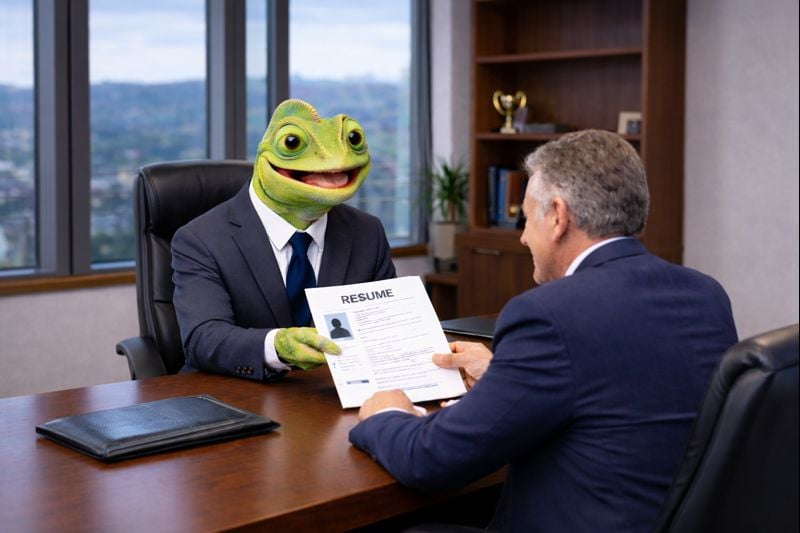
I recently had a conversation with a senior level executive that told me that I stopped him in his tracks—in a good way. We were talking about hiring, interviewing, and what candidates go through to make themselves match for jobs that they are not qualified for. I called it “The Chameleon Candidate.” It’s the candidate…
Read MoreThe Hidden Risk of Being Very Good at Your Job

Being very good at your job is usually a career advantage. It earns trust, creates momentum, and often leads to increased responsibility and opportunity. But there is a less discussed reality that many accomplished professionals eventually encounter: The very competence that made you successful can quietly begin to limit you. Not because it disappears—but because…
Read MoreHow to Respond to an Unfair Performance Review Without Damaging Your Career
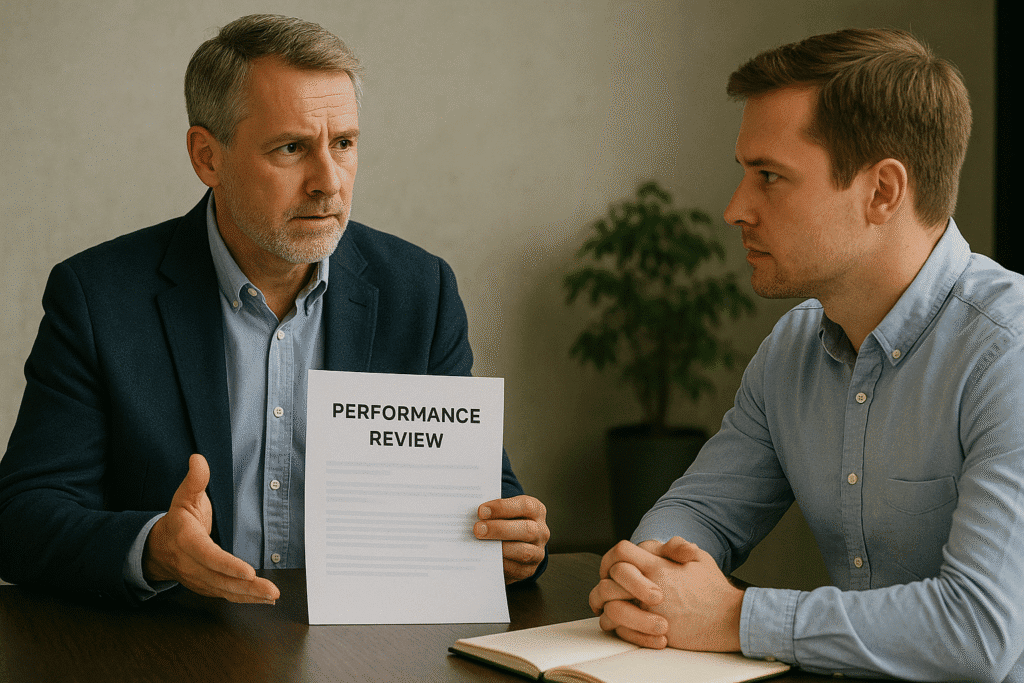
Few professional experiences feel as deflating as receiving a performance review that doesn’t reflect the work you believe you’ve done. Whether it’s rooted in incomplete information, shifting priorities, or a manager’s blind spots, an unfair review can leave even high-performing professionals questioning themselves. What matters most in these moments is not the review itself, but…
Read MoreIf You’re Talking Too Much, You’re Leading Too Little

In every organization, there’s that manager—the one who believes the more they talk, the more people will listen. They launch into 20-minute explanations that could be two. They pile on unnecessary context. They repeat themselves. They talk in circles. And while they may think they sound wise, strategic, or inspirational, their employees aren’t inspired at…
Read MoreEvidence Over Consensus: The Mark of a Strong Leader

In leadership, there’s often a quiet crossroads—between doing what’s right and doing what’s popular. Many managers lean toward what feels safe: building consensus, seeking harmony, and ensuring everyone agrees before making a decision. But while consensus feels comfortable, it can unintentionally weaken leadership authority. Strong leaders, by contrast, lead through evidence. They make decisions grounded…
Read MoreSituational Awareness: The Quiet Strength Behind Great Leadership

Every professional carries personal standards into the workplace—values that define how we act, communicate, and make decisions. These standards form the backbone of our integrity. But in business—where negotiation, leadership, and management all depend on human dynamics—another skill often separates good professionals from great ones: situational awareness. Situational awareness is the ability to read the…
Read More